

Underground conduits are pipes, cables, or other infrastructure buried beneath the ground. Because they are buried, locating them can be a challenge. One effective way to locate them is with ground-penetrating radar (GPR).
Conduits are often used to transport utilities such as electricity, gas, water, and communication signals. They can also be used for waste management, irrigation, and other purposes. They can be made of metal or plastic.
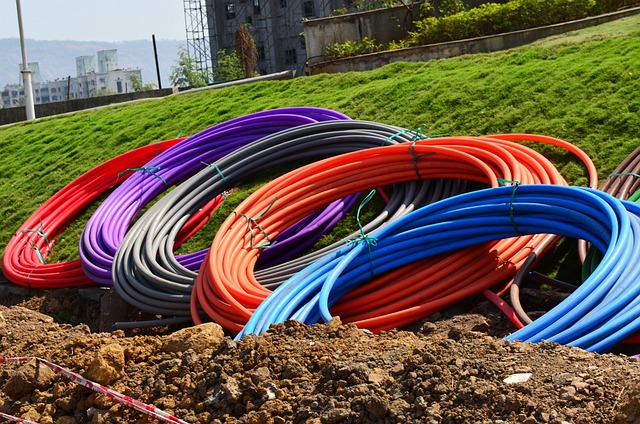
One common type of underground conduit is a utility line. Utility lines provide buildings or structures with electricity, gas, water, or other services. They are often buried beneath the ground to protect them from damage and reduce the risk of accidents.
GPR is a geophysical method that uses radar pulses to penetrate the ground and create a detailed image of what lies beneath the surface. The image can identify underground conduits and other buried objects and structures.
To use GPR, a technician typically attaches a sensor to a hand-held device or a vehicle-mounted unit. The sensor transmits radar pulses into the ground and receives the returned reflections. These reflections can create a detailed image of the subsurface, which can be interpreted to identify underground conduits and other objects.
There are several advantages to using GPR to locate underground conduits.
The ground penetrating radar technicians at GPR Arkansas are experts in locating underground or buried conduits. GPR Arkansas specializes in GPR for commercial properties.
Contact us today for a FREE estimate.
