What Objects Can Ground Penetrating Radar (GPR) Detect?
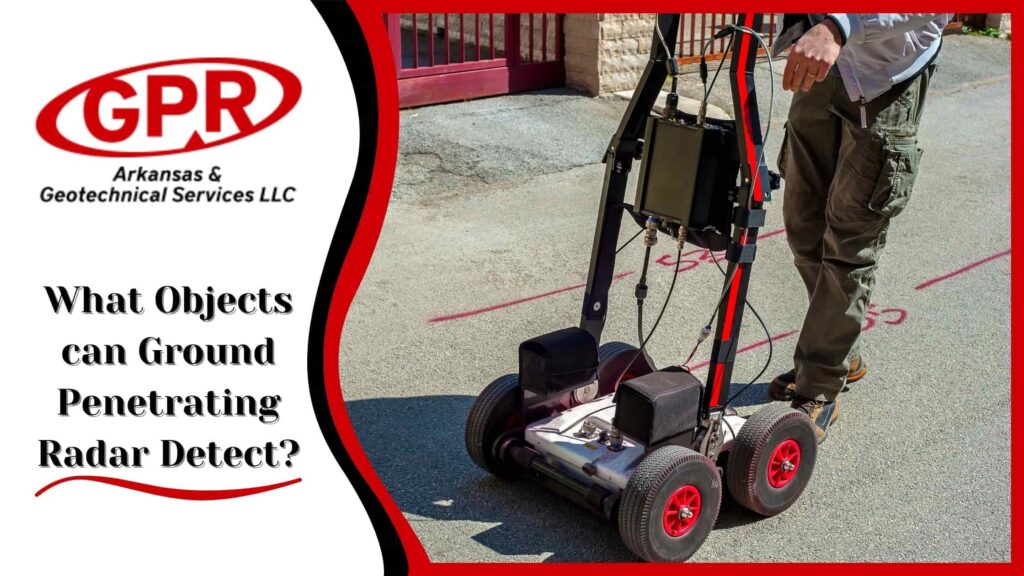
Ground-penetrating radar (GPR) is a non-destructive scanning technology used to detect objects, materials, and changes beneath the surface. GPR can help locate underground utilities, pipes, rebar, voids, buried structures, and other subsurface features without digging.
Its applications range from construction and utility locating to geological surveys, cemetery mapping, and archaeology. In this article, we’ll explore what GPR can detect and some of its most common applications.
Materials GPR Can Detect
GPR is versatile because it detects materials with unique electromagnetic properties. Some materials it’s commonly used to identify include:
- Metal: Rebar, pipes, and buried containers.
- Plastic and PVC: Utility lines, conduits, and water pipes.
- Concrete: Foundations, walls, and slab structures.
- Organic Materials: Fossils, bones, and soil voids.
Everyday Applications of GPR
GPR is widely used for practical, everyday purposes in industries like construction, civil engineering, and utilities. These include:
- Utility Line Mapping: Locating electrical cables, gas lines, and water pipes for safer digging.
- Construction Support: Scanning for rebar, post-tension cables, and slab thickness before cutting or coring.
- Geological Surveys: Identifying groundwater tables, bedrock, or changes in soil composition.
- Sinkhole Detection: Locating voids beneath roads or structures that could compromise safety.
These applications are essential for ensuring efficiency and preventing costly accidents.
Other Objects and Features GPR Can Detect
What sets GPR apart is its ability to detect less obvious objects or features, making it a valuable tool for more specialized scenarios:
- Historical Burial Sites
GPR can detect changes in soil density to locate unmarked burial sites, even when markers like tombstones have eroded. This is crucial for archaeological projects or when protecting culturally significant areas.
- Hidden Voids and Cavities
Beyond sinkholes, GPR can detect natural caverns, underground reservoirs, or other hollow spaces. These findings are important for geologists and engineers to prevent structural failures.
- Unmarked Private Utilities
Unlike main utility lines, private connections—such as electrical or water lines between buildings—are often unmarked. GPR ensures these hidden lines are located to avoid damage.
- Forensic Evidence and Artifacts
GPR is used in forensic investigations to locate buried evidence or remains without disturbing the area. Archaeologists also rely on it to uncover fossils, artifacts, and ancient structures.
- Underground Storage Tanks and Buried Objects
GPR can help locate buried storage tanks and other underground objects before construction, excavation, or property improvements begin.
Benefits of Using GPR
GPR’s noninvasive scanning method makes it ideal for industries ranging from construction to historical preservation. Its ability to locate both expected and unexpected objects reduces risks, saves money, and protects project integrity.
Need to Know What’s Below the Surface?
Whether you’re planning to dig, cut concrete, locate underground utilities, investigate voids, or identify buried objects, GPR Arkansas can help you better understand what’s beneath the surface.
Contact GPR Arkansas today for a FREE estimate and professional GPR scanning services throughout Arkansas.