

Underground water lines aren’t always easy to locate, especially when property records are incomplete or the pipes are made from non-metallic materials. Whether you’re planning new construction, excavating near an existing building, or trying to identify buried utilities, knowing where water lines are located can help prevent costly damage and project delays.
Ground penetrating radar (GPR) can help locate underground water lines without digging or disturbing the surface. This non-destructive scanning technology is a valuable tool for commercial construction, renovations, and utility locating projects.
Ground penetrating radar (GPR) uses electromagnetic signals to investigate what lies beneath the ground.
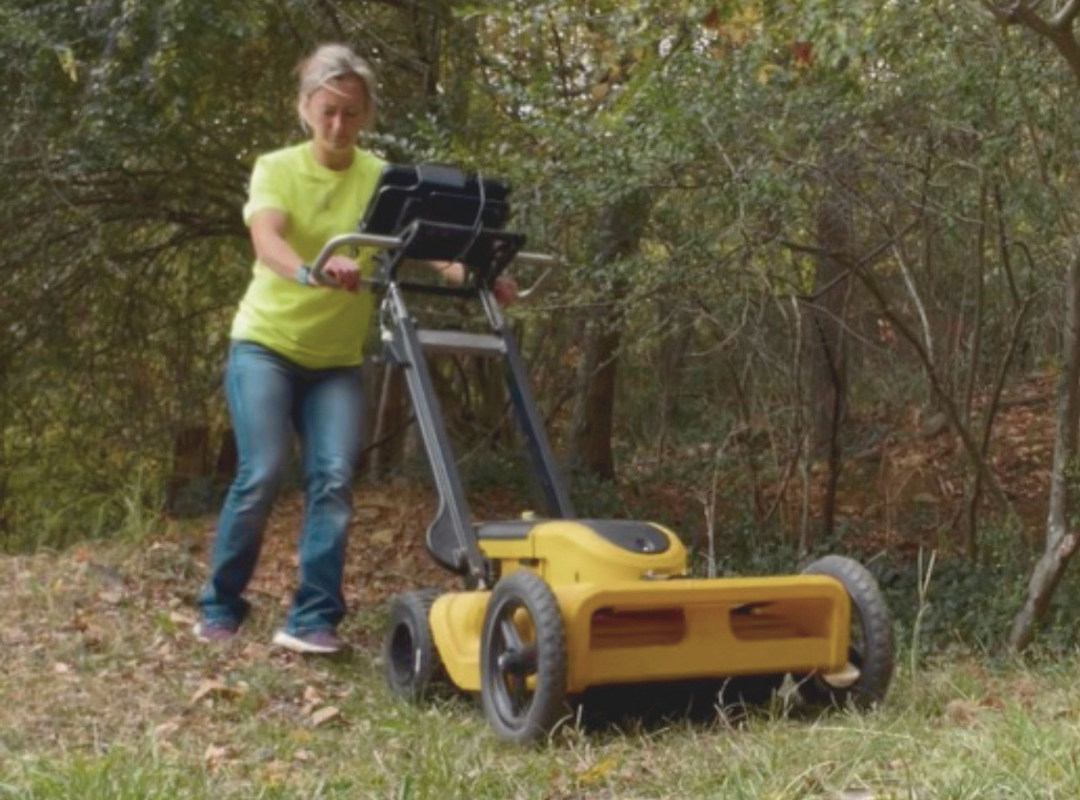
As a GPR unit moves across the surface, it sends signals into the soil. When those signals encounter changes in underground materials, some of the energy reflects back to the equipment.
A trained GPR technician analyzes the reflected signals to identify patterns and anomalies that may indicate buried water lines, pipes, or other underground features.
Unlike locating methods that rely on an electrical signal traveling along a conductive utility, GPR can sometimes identify non-metallic pipes that are difficult to locate using traditional equipment.
The ability to locate underground water lines depends on factors such as pipe material, size, depth, and soil conditions. While GPR is a useful locating tool, not every buried pipe can be detected in every situation.
Accidentally striking an underground water line can create significant problems for commercial properties, construction sites, and infrastructure projects.
Locating water lines before excavation can help:
Even when utility drawings are available, underground conditions may not match existing records. Older properties, previous renovations, and undocumented utility installations can make locating water lines especially important. Because 811 One Call services may not cover every private utility, additional locating may be needed before excavation.
GPR can be useful for a variety of commercial and infrastructure projects, including:
GPR can also help investigate other subsurface features, including buried conduits, certain pipes, voids, and abandoned structures.
Before you dig, knowing what’s beneath the surface can help you make more informed decisions and reduce the risk of damaging existing utilities.
GPR Arkansas provides professional private utility locating and commercial GPR scanning services throughout Arkansas. Our team uses ground penetrating radar to help locate buried water lines, underground utilities, and other subsurface features before construction or excavation begins.
Contact GPR Arkansas today for a FREE estimate and learn how GPR scanning can help with your next project.
