

Understanding and knowing where backfill is located – and if there are any voids in the backfill – is vital. Ground penetrating radar can help contractors better understand backfilled areas before starting a project.

Backfill is a construction term used to describe the process of filling in the excavated area around a foundation or other structure. This is done to provide support and stability to the structure and prevent settling or movement. The resulting voids are typically filled with a mixture made up of soil, sand, gravel, or other materials.
Backfill is created by excavating the area around the foundation or structure and placing the soil or other material back into the hole. This material is then compacted to ensure stability and provides a solid base for the foundation or structure. Backfilling is usually done in stages to ensure the soil is adequately compacted.
Unstable backfill soil can result from inadequate compaction during filling. This can result in poor density and compaction, leading to instability.
This can cause the soil to become loose and unstable. This then leads to the settling and movement of the foundation or structure. In addition, the material used for fill may contain different types of soil and materials. This can cause uneven settling and compaction.
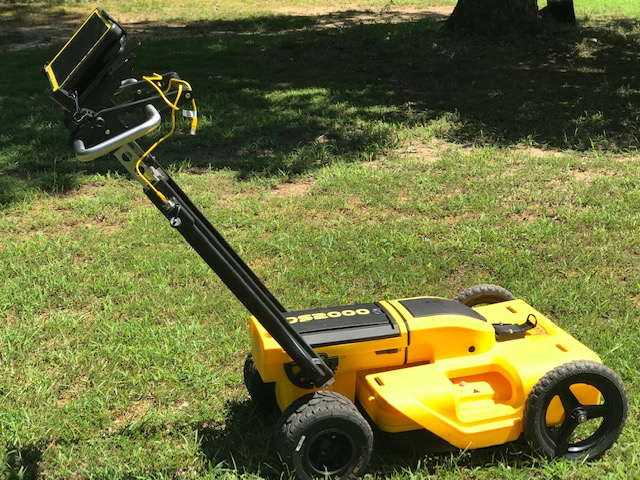
Ground penetrating radar (GPR) is a non-destructive technique that can be used to evaluate the quality and uniformity of backfill and identify any voids within the filled area. GPR uses high-frequency electromagnetic waves to penetrate the ground and create an image of the subsurface.
This technique can be used to locate buried objects, such as utilities or pipes. It can also identify changes in soil density, moisture content, and other factors that can affect the ground’s stability.
Backfill can be hazardous to construction projects for several reasons:
It is essential to properly design and engineer the backfill for the specific project to mitigate these hazards. This includes choosing the right type of material for your site, ensuring that it is compacted properly, and monitoring the stability of the soil over time.
It is also essential to properly manage any potential contaminants in the fill material and to take steps to prevent erosion and soil instability.
Backfill is an essential component of many construction projects, but it can also be a source of instability and hazard if not properly managed.
Ground penetrating radar can be a valuable tool for discovering backfill and identifying potential hazards.
The technicians at GPR Arkansas are experts in commercial GPR. Contact GPR Arkansas today for a free estimate.
