What Happens If You Don’t Look Underground Before Starting a Project?
When starting a new project, it’s tempting to jump straight into the work. After all, what could go wrong? Unfortunately, failing to assess what’s beneath the surface can lead to dangerous, costly, and time-consuming issues. From safety hazards to unexpected project delays, overlooking the underground can derail even the best-laid plans.
Why It’s Critical to Know What’s Below
1. Safety Risks
Hitting something underground isn’t just inconvenient—it can be life-threatening. For example:
- Striking a gas line can result in explosions or fires.
- Damaging electrical cables can cause power outages and serious injuries.
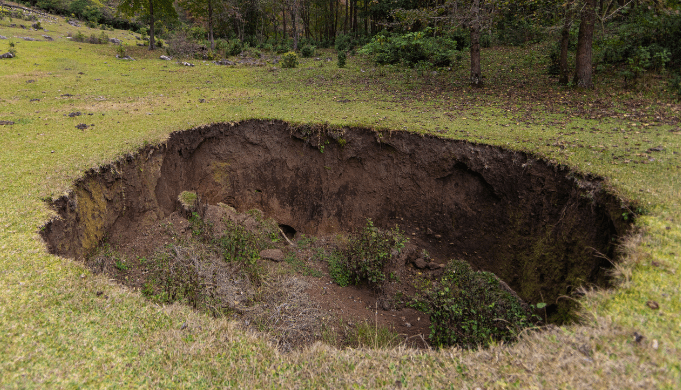
- Excavating near unstable voids or backfill may cause sudden collapses, putting workers at risk.
2. Costly Repairs
Uncovering a problem after the damage is done can be an expensive lesson:
- Cutting into fiber optic cables disrupts essential services and comes with a hefty repair bill.
- Damaging water or sewer lines can flood the worksite, halt progress, and rack up repair costs.
- Accidentally cracking a foundation or slab during drilling could require extensive reconstruction.
3. Project Delays
Unexpected repairs or compliance issues can grind your project to a halt. Even minor damage can lead to days—or weeks—of downtime, adding stress and expense to your timeline.
4. Regulatory and Legal Penalties
Failing to follow proper protocols, like calling 811 to locate utility lines, can result in fines or even lawsuits. Skipping this step isn’t just risky—it’s illegal in many areas.
Why Calling 811 Isn’t Always Enough
While calling 811 is an essential first step, it’s not a catch-all solution. Here’s why:
- Limited Scope: 811 focuses on marking public utility lines but won’t locate private utilities or non-utility hazards on your property.
- Unknown Voids: Hidden issues like old septic tanks, buried debris, or unstable soil won’t show up on an 811 report.
- Incomplete Data: Without a full subsurface scan, you’re still at risk of missing critical underground features.
GPR goes beyond what 811 can provide, offering a more comprehensive look at what lies beneath the surface. Here’s why it’s the tool you need:
- Comprehensive Scanning: GPR detects utilities, voids, rebar, concrete slabs, and more.
- Non-Destructive: Unlike exploratory digging, GPR provides data without disrupting the site.
- Versatile: It works on soil, asphalt, concrete, and other surfaces, making it adaptable for any project.
- Accurate: GPR delivers precise measurements, ensuring you have the data you need to move forward safely.
Examples of Avoidable Risks
Here are just a few situations where GPR could save the day:
- Avoid cutting into fiber optic cables, which are costly to repair and critical for communications.
- Prevent drilling into post-tension cables that could compromise structural integrity.
- Identify and address unstable backfill or voids before building on the site.
- Confirm slab thickness to ensure the surface can support heavy equipment or vehicles.
Conclusion
Skipping an underground assessment might seem like a shortcut, but it’s a risk you can’t afford to take. While calling 811 is important, it’s not enough to fully protect your project. For a more complete and accurate picture, Ground Penetrating Radar (GPR) is the way to go.
At GPR Arkansas, we specialize in providing thorough, professional subsurface scans to keep your project safe, efficient, and on track. Don’t let what you don’t know cost you—contact us today for expert GPR services and a free estimate!