

Certain elements remain hidden in the labyrinth of infrastructure beneath commercial properties yet are crucial to the smooth functioning of the establishment. Refrigerant lines, often overlooked until they pose a problem, are vital.
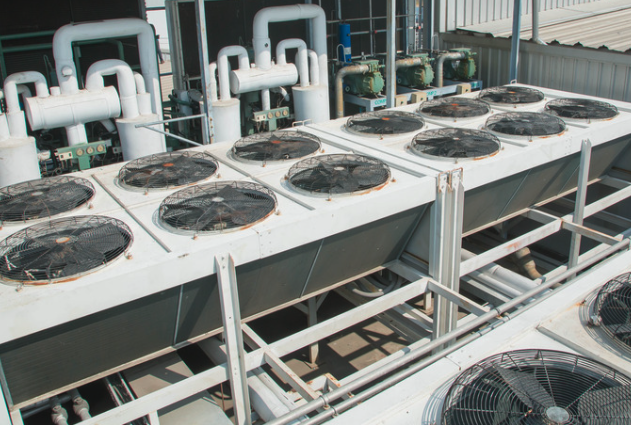
As commercial spaces evolve with remodeling or construction projects, the risk of inadvertently damaging refrigerant lines looms. Ground-penetrating radar (GPR) offers a noninvasive solution to pinpoint the location of these lines with precision and efficiency.
Refrigerant lines form the vascular system of HVAC (Heating, Ventilation, and Air Conditioning) systems in commercial properties.
They carry refrigerant—a cooling substance—between the indoor and outdoor units, facilitating temperature regulation within the building. Without these lines, the HVAC system ceases to function effectively, compromising the comfort and productivity of the occupants.
The AC and heating systems are like unsung heroes in busy commercial spaces like stores, offices, or hospitals, keeping everyone comfy and happy. But if something goes wrong — like accidentally messing up the refrigerant lines during renovations or construction — it can cause big problems. Think of unexpected shutdowns, pricey fixes, and even safety risks for everyone inside.
Ground-penetrating radar (GPR) offers a nondestructive method of detecting subsurface objects without disturbing the surface. GPR equipment uses electromagnetic waves to emit pulses into the ground or structure, which bounce back upon encountering different materials or interfaces.
By analyzing the reflected signals, GPR operators can create detailed images of what lies beneath the surface, including the precise location of refrigerant lines.
Before embarking on any remodeling or construction project in a commercial property, it’s imperative to assess the subsurface infrastructure thoroughly. Here’s how GPR proves instrumental in this process:
Awareness and precision are paramount in the dynamic commercial construction and renovation landscape. Ground-penetrating radar emerges as a game-changer, offering a noninvasive solution to the age-old challenge of locating refrigerant lines.
Contact GPR Arkansas today to learn how GPR can streamline your commercial construction projects and safeguard your infrastructure.
